
Exploring the Greatest Ongoing Automotive Architectural Projects Worldwide
- Edward Acres
- Nov 4, 2025
- 4 min read

The automotive industry is experiencing a significant transformation, not only through advancements in technology and vehicle design but also through the architectural spaces that support these changes. Today, state-of-the-art manufacturing plants, innovative showrooms, and cutting-edge research facilities are emerging globally, setting new benchmarks for sustainability, efficiency, and aesthetic appeal. This blog post will delve into some of the most exciting automotive architectural projects worldwide, shining a light on their unique features and expected impacts on the industry.
The Rise of Sustainable Automotive Architecture
As the global push toward sustainability intensifies, the automotive sector is following suit. Numerous projects are dedicated to minimizing carbon footprints and championing eco-friendly practices.
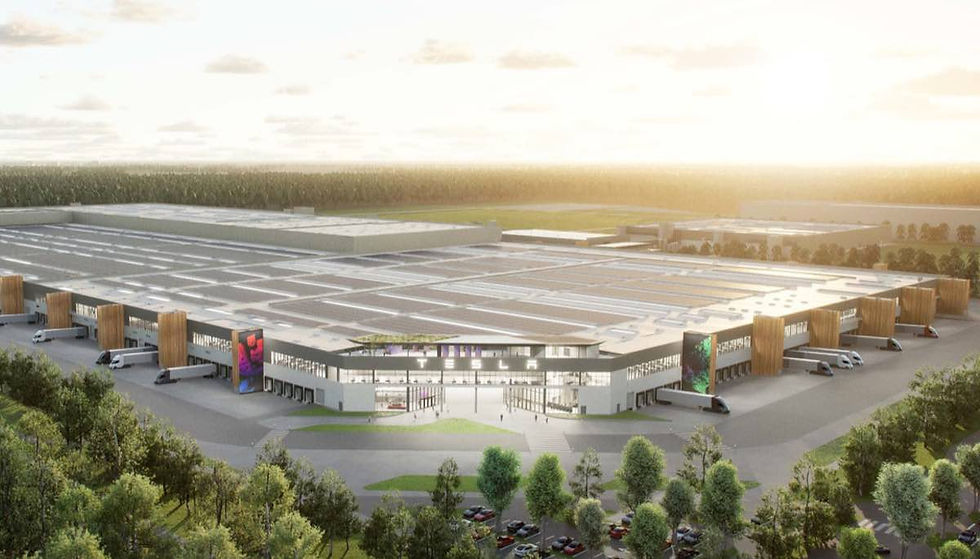
A prime example is the Tesla Gigafactory in Berlin. This facility is engineered to manufacture electric vehicles while significantly reducing its environmental impact. Designed to be 100% energy-efficient, it utilizes renewable energy sources like solar and wind along with advanced manufacturing processes. It is expected to produce one million electric vehicles annually, showcasing how innovative architecture can drive large-scale sustainability.
Another remarkable project is the BMW Group's new plant in Debrecen, Hungary.

Set to be completed in 2025, this facility will use a green roof and extensive glazing to maximize natural light. It aims to produce up to 150,000 electric vehicles each year and is projected to create over 1,000 jobs, demonstrating how automotive architecture can enhance local economies while prioritizing environmental responsibility.
Innovative Showrooms and Customer Experiences
Customer interaction with automotive brands has evolved, pushing companies to invest in showrooms that significantly enhance the customer experience.
The Porsche Experience Center in Los Angeles

epitomizes this trend. Combining a showroom, an impressive driving track, and a gourmet restaurant, this facility provides a holistic brand engagement experience. Visitors can watch cars being serviced and witness driving experiences firsthand, all within a design that promotes openness and transparency.
Likewise, the Mercedes-Benz Brand Experience Center in Stuttgart, Germany exemplifies architectural excellence. This center features an innovative design that mirrors the brand's focus on technology and forward-thinking. The facility has interactive displays, a driving simulator, and even a café, allowing visitors to immerse themselves fully in the Mercedes-Benz universe.

Cutting-Edge Research and Development Facilities
Research and development remain at the forefront of the automotive industry as it adapts to the complexities of electric and autonomous technologies. Several projects are underway to create advanced R&D facilities that foster innovation.
The Ford Research and Innovation Center in Palo Alto, California,

offers a collaborative space designed to accelerate technological advancements. Its open layouts and high-tech laboratories are pivotal in the research of autonomous driving and smart mobility solutions. Ford aims to boost internal R&D investment by over 30% in the next five years, demonstrating the significance of this facility.
Another notable initiative is the Toyota Research Institute in Michigan.

This centre focuses on artificial intelligence and robotics, which are crucial to modern automotive strategies. The facility's adaptable architectural design fosters collaboration among engineers and researchers, making it an essential hub for future automotive innovations.
Revitalizing Urban Spaces with Automotive Architecture
As cities evolve, automotive architecture is vital in revitalizing urban areas. Many new projects focus on embedding automotive facilities into the urban landscape, enhancing both accessibility and visual appeal.
The Hyundai Mobility Adventure in Seoul, South Korea, is an ambitious initiative transforming a former industrial zone into a dynamic urban ecosystem. With plans for a state-of-the-art showroom, a test track, and community green spaces, this multifunctional area aims to engage the community while promoting sustainable transportation.
Similarly, the Renault Mobility Hub in Paris

seeks to enhance urban mobility. This project will include electric vehicle charging stations, bike-sharing services, and pedestrian-friendly zones. Its architectural focus on connectivity makes sustainable transportation seamlessly integrated into everyday city life.
The Future of Automotive Manufacturing
Innovative architectural designs are shaping the future of automotive manufacturing by focusing on efficiency and sustainability.
The Volkswagen ID. Factory in Zwickau, Germany,

stands out as a model for producing electric vehicles. Its highly efficient layout allows for flexibility in production, with a projected capacity of up to 300,000 vehicles per year. The factory utilizes sustainable materials and energy-efficient systems, setting a new standard for manufacturing excellence in the automotive industry.
Another forward-thinking initiative is the Stellantis Electric Vehicle Plant in Ontario, Canada. This facility emphasizes advanced manufacturing techniques, including rainwater harvesting and solar panels, to reduce its environmental impact. It aims to boost production capacity by 40% over the next two years, showcasing how architectural innovation can facilitate growth while remaining environmentally responsible.

A New Era for Automotive Design
The ongoing architectural projects in the automotive sector signify more than just the construction of buildings; they embody a shift toward sustainability, creativity, and enhanced customer experiences. As the automotive world continues to progress, these projects will be instrumental in shaping the future landscape of design and manufacturing.
From eco-friendly factories to interactive showrooms and pioneering research facilities, the automotive architectural scene is rife with exciting developments. It will be fascinating to observe how these projects transform our relationship with vehicles and the environment in the years to come.

The future of automotive architecture is bright, and it promises to redefine mobility for generations to come.



Comments